Digital growth is no longer optional for brands in 2026. With rapidly changing consumer behavior, platforms, and algorithms, businesses need a clear digital growth strategy to stay competitive. This guide explains what digital growth strategy is, why it matters, and how brands can build sustainable online growth step by step.
Table of Contents
What Is Digital Growth Strategy?
Digital growth strategy is a long-term plan that helps businesses grow online using digital channels such as websites, SEO, content, social media, and data-driven marketing. It focuses on building sustainable growth instead of short-term traffic or quick sales.
Unlike traditional marketing, a digital growth strategy adapts continuously based on customer behavior, platform algorithms, and performance data. Brands use it to attract the right audience, convert visitors into customers, and retain them over time.In 2026, having a clear digital growth strategy is essential for brands that want to stay competitive, scalable, and visible across digital platforms.
Why Digital Growth Strategy Matters in 2026
In 2026, digital platforms are more competitive and algorithm-driven than ever before. Consumers research, compare, and trust brands online before making any purchase decision. Without a clear digital growth strategy, brands risk losing visibility, traffic, and long-term relevance.
A strong digital growth strategy helps businesses align their marketing, content, and SEO efforts toward measurable goals. It allows brands to respond quickly to changing trends, customer expectations, and platform updates while maintaining consistent growth.Brands that invest in digital growth strategy in 2026 gain a competitive advantage by building authority, trust, and scalable systems that support long-term success.
Core Pillars of Digital Growth Strategy
Brand Positioning
Brand positioning defines how a brand is perceived in the digital marketplace. It includes your brand voice, messaging, values, and unique selling proposition. Strong positioning helps your brand stand out in crowded digital spaces.In a digital growth strategy, clear brand positioning ensures consistency across websites, content, SEO, and social platforms. When users instantly understand what your brand stands for, trust and recall increase.
Content Strategy
Content strategy is the foundation of sustainable digital growth. It focuses on creating valuable, relevant, and consistent content that educates, engages, and guides the audience through the buyer journey.
In 2026, successful brands align content with SEO, user intent, and platform-specific formats such as blogs, videos, and social media. A strong content strategy builds authority, increases organic traffic, and supports long-term brand visibility.
Strategic content ecosystems are a core part of sustainable growth, as explained in modern content marketing strategy frameworks.
SEO & Organic Visibility
SEO and organic visibility play a critical role in long-term digital growth. Instead of relying only on paid ads, organic strategies help brands attract high-intent users through search engines.In 2026, effective SEO focuses on user experience, search intent, quality content, and technical optimization. Brands that invest in organic visibility build consistent traffic, credibility, and authority while reducing dependency on paid channels.
Paid Growth Channels
Paid growth channels help brands accelerate results by reaching targeted audiences quickly. These include platforms such as Google Ads, social media advertising, influencer collaborations, and sponsored content.In 2026, successful paid strategies focus on precise targeting, creative testing, and data-driven optimization. When combined with organic efforts, paid growth channels support faster scaling, controlled experimentation, and predictable lead generation.
Conversion Optimization
Conversion optimization focuses on turning website visitors into leads or customers. This includes improving landing pages, website speed, user experience, calls-to-action, and trust signals such as testimonials and case studies.
In 2026, data-driven conversion optimization relies on user behavior analytics, A/B testing, and continuous improvements. Even small changes in design or messaging can significantly increase conversion rates and maximize the impact of both organic and paid traffic.
Digital Growth Strategy vs Traditional Marketing
Traditional marketing relies on one-way communication such as TV ads, print media, and billboards, where performance tracking is limited and optimization is slow.
In contrast, digital growth strategy is data-driven, measurable, and highly adaptable. Brands can track user behavior in real time, adjust campaigns instantly, and personalize messaging based on audience intent.In 2026, digital growth strategies outperform traditional methods by focusing on long-term value rather than short-term exposure. Through SEO, content, analytics, and automation, businesses build scalable systems that continuously improve results while reducing dependency on expensive offline channels.
Step-by-Step Digital Growth Strategy Framework
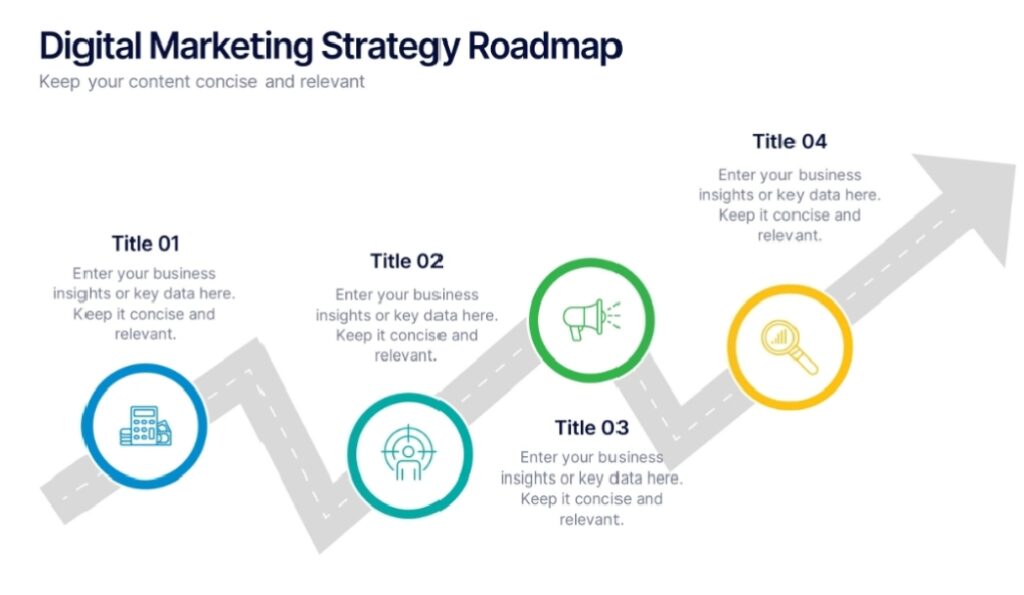
A successful digital growth strategy starts with clear business goals and audience research. Brands must understand who their ideal customers are, what problems they face, and where they spend time online. This foundation helps shape messaging, content formats, and platform selection.The next steps include building SEO-optimized content, strengthening brand positioning, leveraging organic and paid channels, and continuously analyzing performance data.
By testing, optimizing, and refining strategies over time, businesses create a repeatable growth system that supports sustainable long-term success.
Common Digital Growth Mistakes Brands Make
One of the most common digital growth mistakes is focusing only on short-term traffic instead of long-term value. Many brands chase quick wins through paid ads without building strong content, SEO, or user trust, which leads to unstable growth and rising costs.
Another frequent mistake is ignoring data and user experience. Without proper tracking, testing, and optimization, brands fail to understand what actually works. In 2026, successful digital growth requires consistency, patience, and continuous improvement rather than random tactics or copied strategies.
How to Measure Digital Growth Success
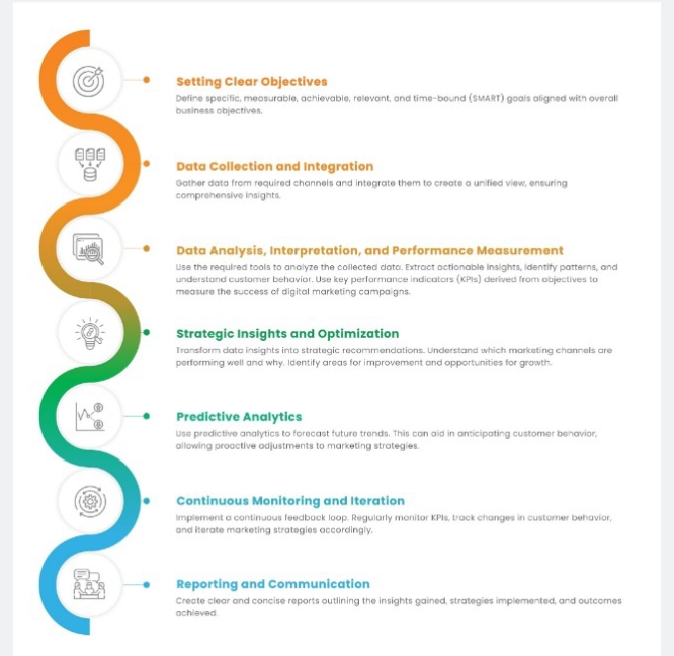
Source: Digital marketing analytics framework (illustrative example)
Measuring digital growth success requires tracking the right performance indicators aligned with business goals. Key metrics include organic traffic growth, conversion rates, engagement levels, lead quality, and customer acquisition cost. These metrics help brands understand not just how much traffic they receive, but how effectively that traffic converts into meaningful results.In 2026, successful brands rely on analytics tools to monitor user behavior across multiple touch points. By regularly reviewing data and adjusting strategies based on insights, businesses can identify what drives growth, eliminate inefficiencies, and continuously improve performance.
Tools Required for Digital Growth Strategy
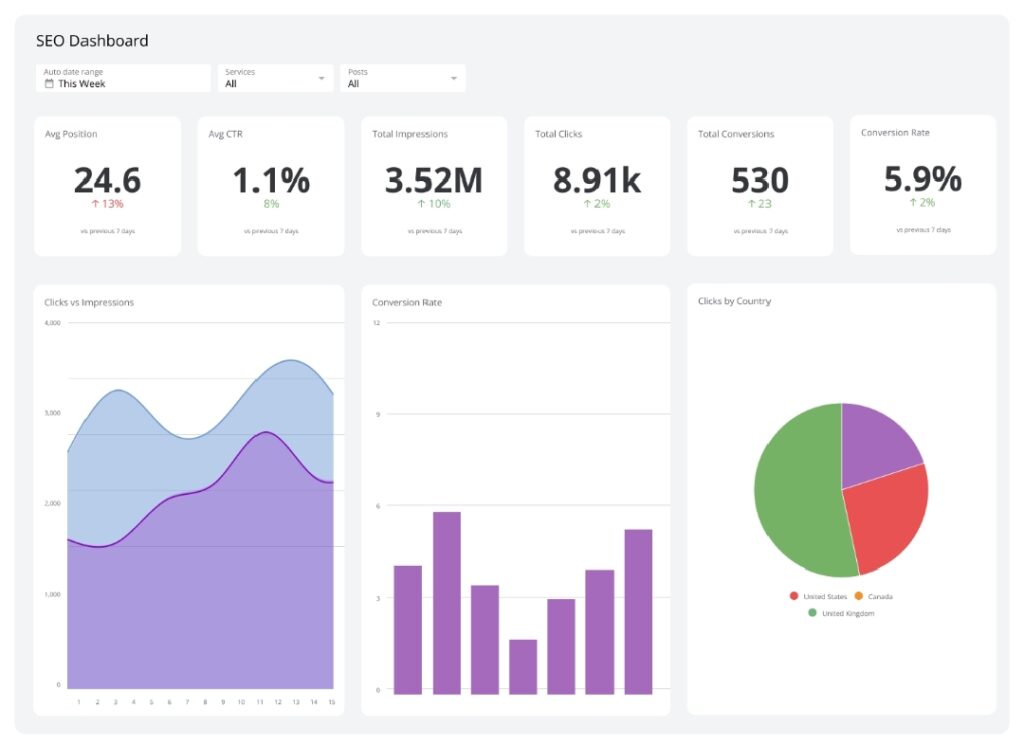
A strong digital growth strategy depends on the right set of tools to plan, execute, and measure results. Essential tools include analytics platforms, SEO tools, content management systems, email marketing software, and customer relationship management systems.
These tools enable brands to collect data, optimize content, and manage campaigns efficiently.In 2026, automation and AI-powered tools play a critical role in scaling digital efforts. By integrating tools that support research, tracking, and optimization, businesses can save time, reduce errors, and make data-driven decisions that support long-term growth.
Final Thoughts: Building Sustainable Digital Growth
Sustainable digital growth is not achieved through shortcuts or isolated tactics. It requires a clear strategy, consistent execution, and a long-term mindset focused on value creation. Brands that invest in SEO, content, user experience, and data-driven optimization build trust and authority over time.
As digital platforms continue to evolve, businesses that remain adaptable and focused on continuous improvement will stay competitive. By following a structured digital growth strategy, brands can create scalable systems that drive lasting success well beyond 2026.