In 2026, digital failure doesn’t happen because brands lack tools, budgets, or talent. It happens because most digital strategies are built on outdated assumptions. Businesses are still chasing traffic instead of trust, posting content without systems, and investing in platforms without understanding how modern digital ecosystems actually work. As algorithms evolve faster, attention spans shrink, and competition intensifies, what worked even two years ago is quietly breaking today.
The uncomfortable truth is this: most digital strategies are not designed to survive 2026. They are fragmented, reactive, and heavily dependent on tactics rather than structure. Brands jump from SEO to social media, from ads to automation, hoping something sticks — but without a clear system, everything collapses under pressure.
In this guide, we will break down why most digital strategies fail in 2026 and reveal the exact system that consistently works — a system built for long-term growth, adaptability, and trust in a rapidly changing digital world.
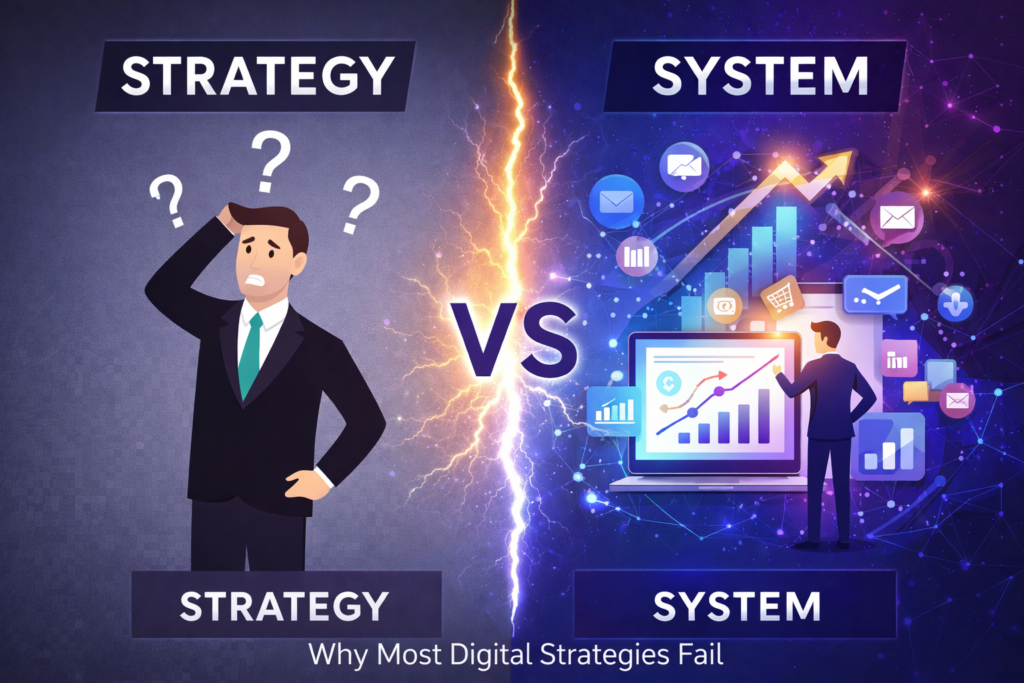
Table of Contents
Why Most Digital Strategies Fail in 2026
Digital marketing has never been louder.
There are more creators. More AI tools. More ads. More courses. More frameworks.
And yet, more frustration.
In 2026, the problem isn’t lack of knowledge.It’s overload without structure.
This shift toward information overload and fragmented tactics has been widely observed across modern digital marketing research.
Most brands don’t fail because they don’t have ideas. They fail because they don’t have integration.
Here’s what’s happening:
1. Attention Has Become Expensive
Five years ago, publishing content gave you reach.
Today, publishing content gives you competition.
Every niche is crowded. Every topic has 10,000 blog posts.Every short-form video competes with millions.
If your strategy depends only on “posting consistently,” you are competing on volume — not leverage.
And volume is exhausting.
2. Algorithms Reward Depth, Not Noise
Search engines are smarter. Platforms prioritize engagement quality.Users scroll faster than ever.
Surface-level content no longer survives.
If your strategy is built around:
- Quick hacks
- Recycled advice
- Trend chasing
- Viral attempts
It will collapse.
2026 rewards authority systems — not content bursts.
3. Most Strategies Are Built Around Campaigns
Campaign thinking looks like this:
- Launch something
- Promote aggressively
- Get a spike
- Move on
But spikes are not growth.
Spikes are adrenaline.And adrenaline cannot build a business.
When your strategy is campaign-based, you constantly reset to zero.
That is why most brands feel stuck.
4. Strategy Without Structure Creates Burnout
Let’s be honest.
Many founders are exhausted.
They’re:
- Writing content
- Editing videos
- Running ads
- Managing emails
- Building funnels
But nothing connects.
So every piece of work feels separate.
Every post feels like starting from scratch.Every month feels like survival mode.The issue is not effort.It’s fragmentation.
5. 2026 Is a System Economy
We are no longer in a content economy.
We are in a system economy.Brands that win today don’t just create content.
They create:
- Pillar ecosystems
- Interconnected assets
- Structured user journeys
- Repeatable monetization flows
If your digital strategy doesn’t behave like an engine, it will behave like a hobby. And hobbies don’t scale.
Reality Check
If your growth feels:
- Random
- Inconsistent
- Dependent on luck
- Emotionally draining
You don’t have a traffic problem. You don’t have a creativity problem. You have a systems problem. And until that is fixed,every tactic will eventually fail.
The Hidden Mistakes Brands Keep Repeating
Most brands believe they need a better tool.
A better funnel.
A better content plan.
A better ad strategy.
But the truth is uncomfortable.
They are repeating the same foundational mistakes — over and over. And these mistakes quietly destroy momentum.
And these mistakes quietly destroy momentum.
Mistake 1: Confusing Activity With Progress
Publishing daily does not equal growth. Running ads does not equal demand. Posting on every platform does not equal authority.
Many brands are extremely active —but strategically disconnected.
They measure:
- Views
- Clicks
- Impressions
But they don’t measure:
- Trust
- Positioning
- Conversion alignment
- Asset growth
Activity feels productive. Progress builds leverage. There is a difference.
Mistake 2: Building on Rented Land
If your strategy depends completely on:
- Instagram reach
- TikTok virality
- YouTube algorithm
- Paid traffic
You are building on land you do not own. And rented land always comes with risk. Platforms change rules. Reach drops. Accounts get restricted.
Without owned assets like:
- Search-optimized content.
- Email lists
- Internal content ecosystems
- Structured knowledge hubs
Your growth is fragile.
Stable brands build assets first, amplification second.
Mistake 3: Separating Content From Monetization
Another common mistake is this:
Content lives here. Products live there. Funnels are somewhere else.
Nothing connects.
Content should prepare the sale. Sales should extend the content. Products should solve the exact problem the content highlighted.
When these are disconnected:
- Readers don’t know what to do next
- Trust builds but doesn’t convert
- Effort increases but revenue stays unstable
Disconnected systems create friction.Friction kills momentum.
Mistake 4: Copying Instead of Positioning
Many brands look sideways instead of inward.
They copy competitors. They replicate trending formats. They imitate successful structures.
But positioning is not copying. Positioning is clarity.
When you don’t define:
- Who you serve
- What you stand for
- What you reject
- What your system is
You blend in.
And in a crowded digital world, blending in is invisibility.
Mistake 5: Thinking Short-Term
Short-term thinking looks like:
- “What can we post this week?”
- “What’s trending now?”
- “How do we go viral?”
Long-term thinking asks:
- “What asset are we building?”
- “What authority are we compounding?”
- “What system are we strengthening?”
The brands that survive 2026 think in assets, not content pieces.
Transition (Important)
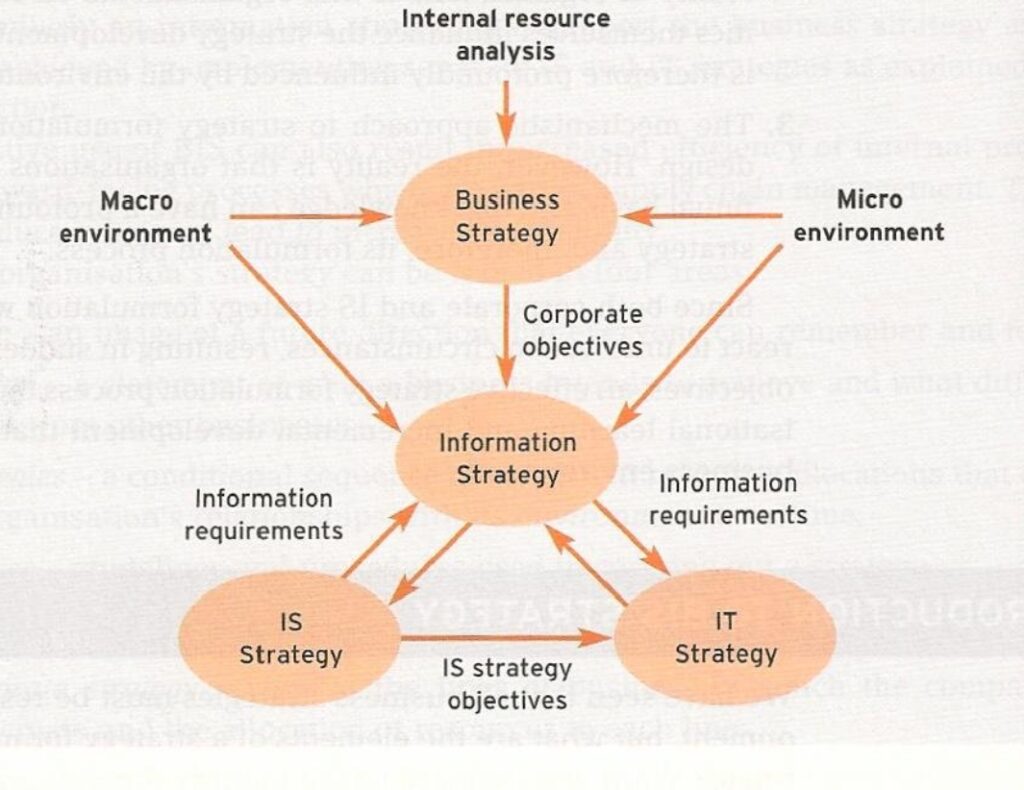
The problem isn’t that brands lack strategy.
The problem is that strategy alone doesn’t create sustainability.And that brings us to the real shift.
And that brings us to the real shift.
Why Strategy Alone Is Not Enough Anymore
For years, digital success was associated with having the “right strategy.”
A smart content plan. A detailed funnel. A 90-day roadmap.
But in 2026, strategy has become a commodity. Everyone has a strategy. Agencies have strategies. Creators have strategies. AI can generate strategies.
So why are results still inconsistent?
Because strategy explains direction —but it does not guarantee durability.
Strategy Tells You What to Do
A strategy can define:
- Your target audience
- Your content channe
- lsYour positioning
- Your messaging
It answers the question:
“What are we trying to achieve?”
But here’s what it does NOT answer:
“How does this sustain itself?”
That’s where most brands collapse.
Strategy Without System Creates Dependency
When your growth relies only on strategy:
- You depend on constant execution
- You depend on constant effort
- You depend on constant creativity
The moment you slow down, results slow down.
That’s not leverage. That’s labor.
In a strategy-only model:
- If you stop posting → traffic drops
- If you stop ads → leads stop
- If you pause campaigns → momentum disappears
That’s not scalable.
Systems Create Stability
A system is different. A system connects actions.
It ensures that:
- One blog post strengthens another
- One visitor has a clear next step
- One product aligns with multiple content pieces
- One effort reduces future effort
A strategy can start movement.
A system sustains momentum.
And sustainability is what separates short-term noise from long-term brands
The Real Shift of 2026
The digital world has matured.
Users are more skeptical. Competition is deeper. Information is overwhelming.
Brands that win today are not just strategic. They are structural. They don’t rely on inspiration. They rely on integration. They don’t chase visibility. They build authority ecosystems.
Strategy vs. System (Core Difference)
Strategy is planning. System is architecture. Strategy is direction. System is infrastructure. Strategy can inspire action. System produces predictable results. Without a system, strategy is temporary. With a system, strategy becomes powerful.
Founder-Level Truth
If you constantly feel like you need a new plan,
a new tactic, a new channel, a new framework —
It’s not because strategy is wrong.
It’s because the system underneath is weak.
And until that foundation is strengthened,every new strategy will feel like starting from zero.
The Real Problem With Modern Digital Strategies

Most brands think they have a strategy problem.
In reality, they have a structure problem.
Modern digital strategies fail not because people lack ideas —
but because those ideas are disconnected from behavior, psychology, and systems. The internet in 2026 is not slow.
It is saturated. Overstimulated. Algorithm-driven.
And in this environment, random action dies fast.
The Core Issue: Disconnection
Most strategies exist in documents.
Not in execution.
Brands create:
- A content plan
- A funnel diagram
- A launch calendar
- A paid ads roadmap
But none of it is integrated into a working growth engine.
Everything operates in isolation.
Social posts don’t support SEO. SEO doesn’t support email. Email doesn’t support product. Product doesn’t connect back to content.
This is not strategy.This is fragmentation.
And fragmentation kills momentum.
Modern Strategy Is Too Tactical
Another core problem?
Brands focus on tactics instead of infrastructure.
They ask:
- What should we post this week?
- Which trend is viral?
- Should we try reels or shorts?
- Should we launch now or later?
These are short-term questions.
They are not growth questions.
Growth questions sound like:
- What problem do we consistently solve?
- What system turns attention into trust?
- What path moves a stranger into a customer?
- What assets compound over time?
Tactics create activity. Systems create leverage.
Attention Is No Longer the Bottleneck
In 2016, attention was powerful.In 2026, attention is cheap.
You can buy it. Borrow it. Hack it.
But you cannot build a brand on attention alone.
Modern strategies still assume:
More views = more growth.
But views without structure create:
- Random traffic
- Low retention
- Low trust
- Weak conversions
- Burnout
The real bottleneck is not traffic.It is trust + clarity + structure.
Most Brands Optimize the Wrong Thing
They optimize:
- Reach
- Followers
- Engagement
- Impressions
But they ignore:
- Positioning
- Message clarity
- Conversion path
- Asset ownership
- Compounding systems
The result?
They grow numbers —
but not revenue.
They grow noise —
but not authority.
They grow effort —
but not freedom.
The Structural Gap
Here’s the uncomfortable truth:
Most digital strategies are built for campaigns.
But sustainable growth requires architecture.
Campaign thinking says:
“What are we launching next?”
System thinking says:
“What are we building that gets stronger every month?”
Campaigns spike.
Systems compound.
And this is where modern strategies collapse —
they are not built to compound.
The Real Problem in One Sentence
Modern digital strategies are idea-heavy but system-light.
They rely on motivation instead of mechanics.
And when motivation drops…
Everything collapses.
Strategy vs. System: The Shift Most Brands Miss
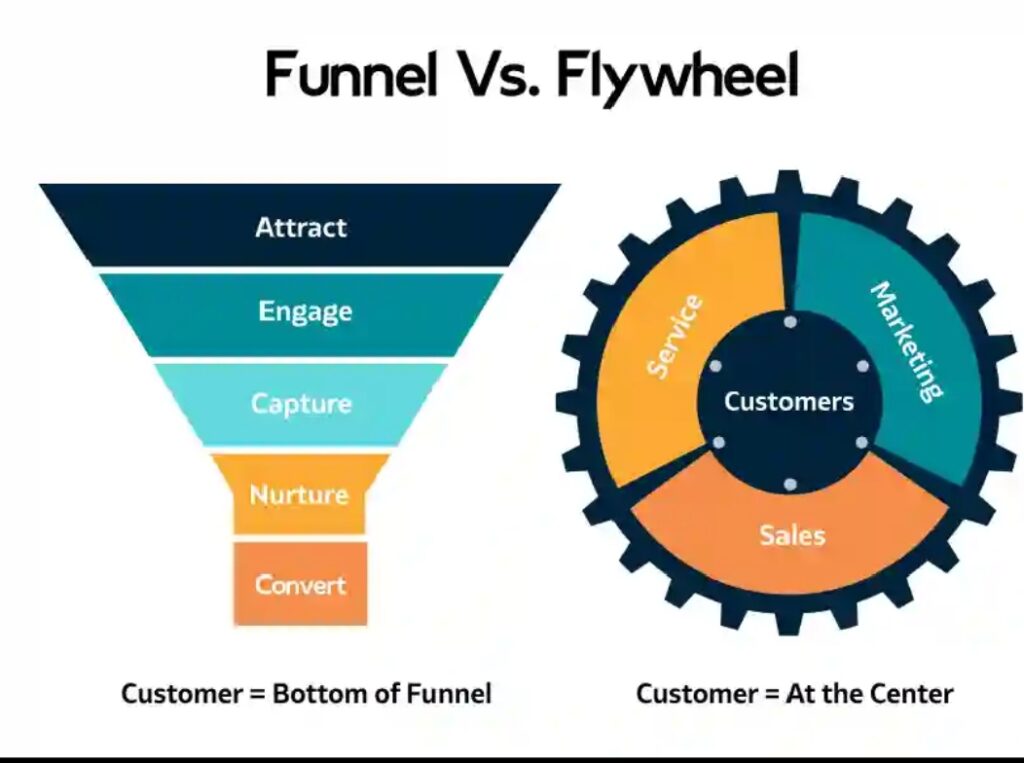
Most brands think they need a better strategy.
In reality, they need a better system.
This is the shift that separates temporary growth from long-term dominance.
What Is a Strategy?
A strategy is a plan.
It answers:
- What are we doing?
- Where are we going?
- What is our positioning?
- What tactics will we use?
Strategies are important.
But they are static.
They live in documents. Slides. Planning meetings.
They describe direction — but they don’t guarantee movement.
What Is a System?
A system is execution architecture.
It answers:
- What happens automatically?
- What connects to what?
- What repeats without chaos?
- What improves over time?
A system is not a campaign.
It is not a launch.
It is not a viral post.
It is the invisible structure that makes growth predictable.
The Critical Difference
Strategy says:
“We should create high-quality content.”
System says:
“Every piece of content connects to a pillar, captures demand, builds authority, and leads to a clear next step.”
Strategy says:
“We should build an email list.”
System says:
“Every traffic source feeds one focused lead magnet that nurtures toward one core offer.”
Strategy inspires.
System converts.
Strategy motivates.
System compounds.
Why Most Brands Stay Stuck
Because strategy feels productive.
It feels smart.
It feels visionary.
Systems feel boring.
They require:
- Structure
- Repetition
- Integration
- Patience
But here’s the truth:
You don’t scale creativity.
You scale systems.
The System Shift in 2026
In today’s environment:
Algorithms change. Trends disappear. Platforms rise and fall.
If your growth depends on a platform…
You are fragile.
If your growth depends on a system…
You are resilient.
The brands that win in 2026 are not louder.
They are structured.
They have
- Clear positioning
- Clear problem ownership
- Clear content architecture
- Clear conversion pathways
- Clear asset-building focus.
Everything connects.
Nothing is random.
A Simple Test
Ask yourself:
If you stopped posting for 30 days…
Would your business still grow?
If the answer is no —
You have activity.
Not a system.
The Shift Most Brands Miss
They try to optimize pieces.
Instead of engineering the whole.
They tweak headlines. They test thumbnails. They change captions.
But they never fix the architecture.
And architecture is where real leverage lives.
When you move from strategy thinking to system thinking…
Growth stops feeling chaotic.
And starts feeling controlled.
What Actually Works in 2026: A System, Not a Strategy
strategy alone isn’t enough, then what actually works?
In 2026, growth belongs to brands that think in systems.
Not tactics. Not trends. Not temporary campaigns.
Systems.
Because systems create:
- Predictability
- Repeatability
- Scalability
- Sustainability
And digital growth today demands all four.
The Shift From Campaign Thinking to System Thinking
Old Model:
Launch
Promote
Push
Pause
Repeat
New Model:
Build
Connect
Strengthen
Compound
Scale
The old model depends on spikes.
The new model depends on structure.
Spikes create excitement. Structure creates stability.
From Random Content to Pillar Architecture
Random content feels productive.
But pillar architecture builds authority. Instead of asking: “What should we post today?” System-driven brands ask:“What are we building this year?”
A pillar system:
- Defines core topics
- Connects related subtopics
- Links content strategically
- Guides users through a journey
This creates depth.
And depth builds dominance.
From Chasing Traffic to Capturing Demand
Many brands chase traffic.
But smart brands capture demand.
Instead of forcing visibility, they position themselves where:
- People are already searching
- Problems are clearly defined
- Intent is high
This is why search-based ecosystems matter.
Because intent converts better than attention.
From Effort-Based Growth to Asset-Based Growth
Effort-based growth looks like:
- Daily hustle
- Manual promotion
- Constant output
Asset-based growth looks like:
- SEO-driven content
- Evergreen pillar posts
- Email lists
- Digital frameworks
- Owned products
Effort fades.
Assets compound.
If your strategy doesn’t build assets,you are building workload — not wealth.
Why Systems Feel Slower — But Win Longer
Here’s the honest truth.
Systems don’t feel explosive in the beginning.
They feel steady. They feel structured. They feel deliberate.
But over time, they outperform chaotic growth every single time.
Because compounding beats intensity.And structure beats emotion.
Clear Principle
In 2026:You don’t need more tactics.
You need:
- Clear positioning
- Connected content
- Structured authority
- Defined monetization paths
- Compounding digital assets
That is what works.
Not because it is trendy.
But because it is sustainable.
The 4-Part Digital Growth System That Actually Works
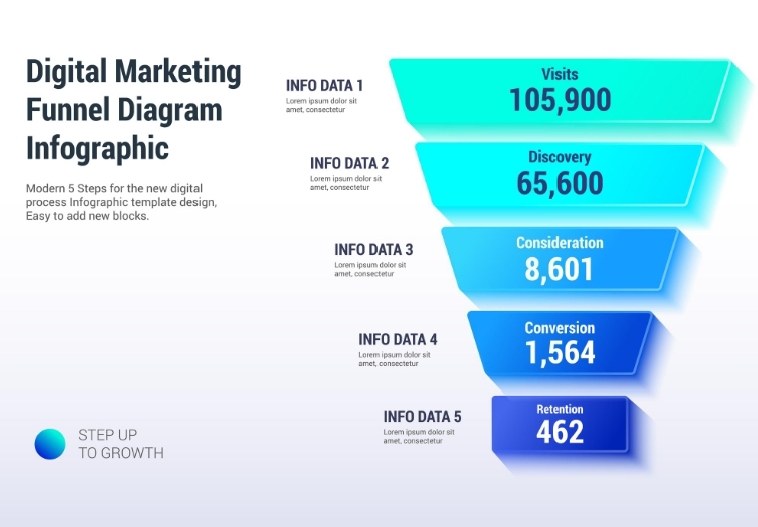
Real growth happens when these four components work together, not separately.
1.Visibility (Demand Capture)
Your brand must be discoverable when people are already searching.
This includes:
- Search-driven content (SEO)
- Platform-native distribution (Google, social, YouTube)
- Clear topical authority, not random posts
Visibility without trust is noise —but without visibility, trust never begins
2.Authority (Trust Building)
Authority is built when your content answers questions better than everyone else.
This means:
- Teaching, not selling
- Clear thinking, not buzzwords
- Consistent positioning across all platforms
People don’t buy from the loudest brand.They buy from the clearest one.
3.Conversion (Systemized Monetization)
Most brands try to monetize too early or too aggressively.
A system monetizes naturally by:
- Solving one clear problem
- Offering one clear next step
- Removing friction from decision-making
When trust is high, conversion feels logical — not forced.
4.Compounding Assets (Long-Term Growth)
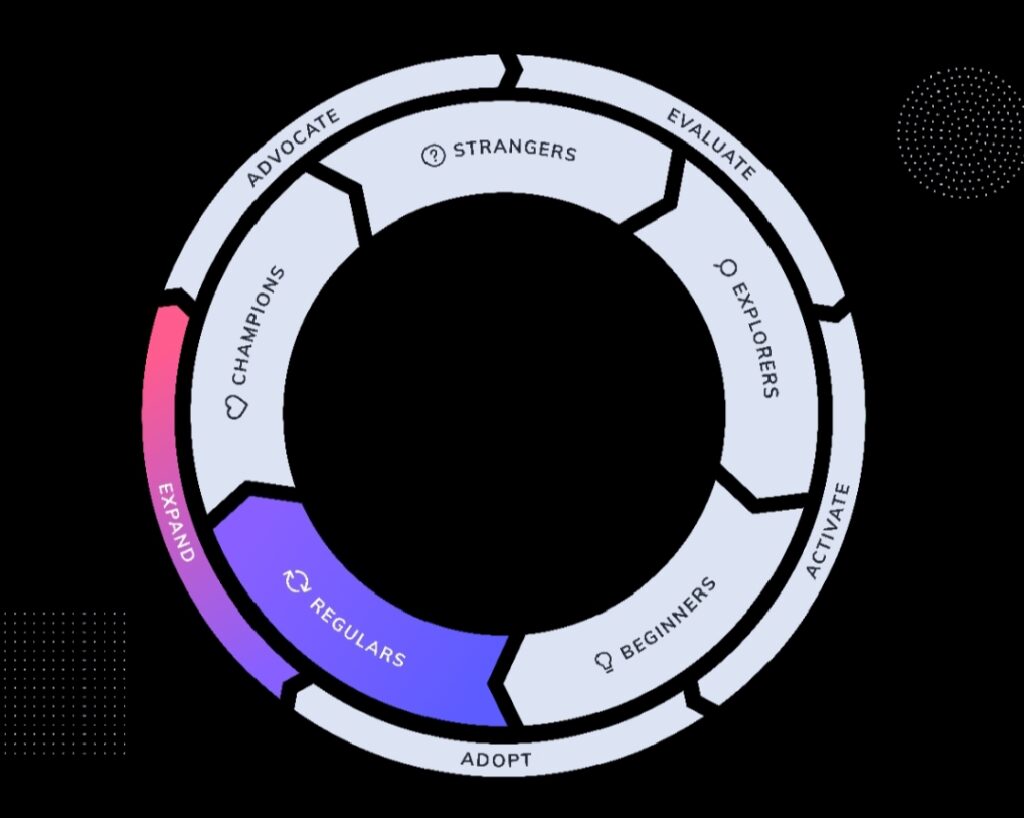
This is where most strategies collapse.
Posts disappear. Ads stop. Trends fade.But systems compound.
Examples of compounding assets:
- Pillar content
- Email lists
- Internal linking structures
- Owned products and frameworks
Short-term wins feel good.Long-term systems build freedom.
The Hidden Advantage Most Brands Miss
When your growth is system-based:
- Every post supports the next
- Every visitor has a path
- Every effort reduces future effort
That’s why the same brands keep winning —not because they work harder,but because their system does the heavy lifting.
When growth is system-based, momentum compounds quietly.
Content stops being isolated posts and becomes an interconnected network.
Traffic stops being random and becomes directional.
Marketing stops being effort and becomes infrastructure.
Why This Advantage Is Invisible
Most brands don’t notice system advantage because it doesn’t look dramatic.
There’s no viral spike. No sudden explosion. No overnight success moment.
Instead, growth looks steady. Predictable. Stable.
But underneath,
something powerful is happening:
- Content ranks and keeps ranking
- Internal links multiply authority
- Audience familiarity increases trust
- Conversion friction keeps dropping
From the outside, it looks calm.
From the inside, it’s exponential.
What System Advantage Looks Like in Practice
A visitor finds one article.
That article links to a deeper guide. The guide offers a framework. The framework leads to an email opt-in. The emails lead to a product. The product reinforces authority.
Now the next visitor enters a stronger system.
And the cycle improves itself.
This is compounding architecture.
From the outside, it looks calm.
From the inside, it’s exponential.
That’s why the same brands keep winning —
not because they work harder,post more,or spend more.
But because their system turns every action into an asset.
And assets keep working long after effort stops.
Pause & Reflect
If your digital efforts feel scattered, slow, or exhausting…
you don’t need a new tactic.
You need alignment.
Because growth doesn’t comefrom doing more things.
It comes from doing the right things in the right order inside the right system.
So pause for a moment and ask:
Are my efforts connected —or just repeated?
Is my content building authority —or just filling space?
Is my brand becoming clearer —or just louder?
Because in 2026,the brands that win won’t be the ones who do the most.
They’ll be the ones whose systems turn effort into momentum.
And momentum into compounding growth.