In 2026, businesses are investing more in marketing, SEO, and digital growth than ever before — yet most strategies still fail to deliver sustainable results.
The reason isn’t a lack of tools or tactics. It’s the absence of true digital transformation.
Without aligning systems, data, content, and strategy into a unified structure, brands remain stuck in disconnected efforts that drain budget without building long-term growth.
Why Most Digital Strategies Fail in 2026, the real problem is not execution — it’s fragmentation.
Digital transformation is the missing link that finally connects marketing performance, SEO visibility, and scalable growth into one cohesive system.
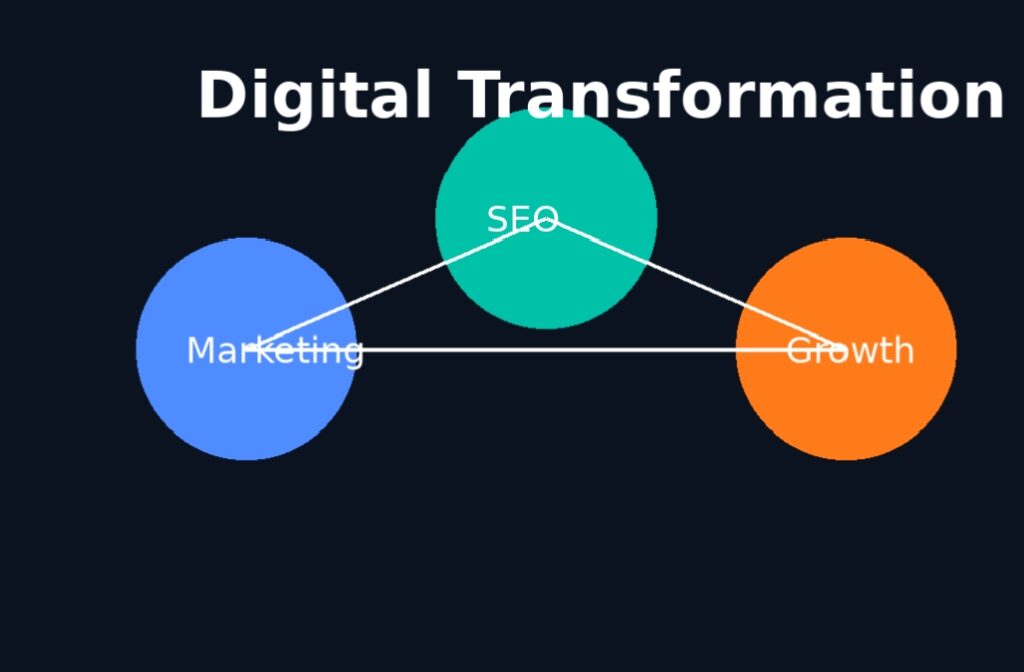
Table of Contents
Why Most Digital Strategies Fail Without Transformation
Many businesses believe their digital strategies fail because of poor execution, weak content, or insufficient marketing budgets.
In reality, the root cause is far deeper.
Strategies collapse when they are built on disconnected channels, fragmented data, and isolated decision-making processes.
Marketing, SEO, content, and growth teams often operate independently, creating tactical activity without structural alignment.
This is why organizations invest heavily yet struggle to see compounding results.
As explored in Why Most Digital Strategies Fail in 2026 (And the Exact System That Works), digital performance breaks down when there is no unified transformation layer connecting strategy, technology, and execution.
Without transformation, even well-designed strategies remain temporary efforts rather than scalable systems.
What Digital Transformation Really Means in 2026
Digital transformation in 2026 is no longer about adopting new tools or moving processes online.
According to global research on digital transformation strategy, successful organizations integrate technology, data, and business processes into unified operating models rather than isolated digital initiatives.
It represents a structural shift in how organizations integrate technology, data, marketing, and decision-making into a unified operating model.
Transformation connects previously separate functions into a coherent digital ecosystem where information flows seamlessly and strategy is executed through interconnected systems rather than isolated campaigns.
Modern transformation also changes how value is created.
Instead of relying on periodic marketing pushes or standalone SEO initiatives, transformed organizations build persistent digital infrastructures that continuously generate visibility, insights, and growth opportunities.
In this context, transformation is not a project or upgrade — it is the architecture that enables scalable digital performance.
The Missing Link Between Marketing, SEO and Growth
Many organizations approach marketing, SEO, and growth as separate initiatives, each managed by different tools, teams, and metrics.
Marketing focuses on campaigns, SEO on rankings, and growth teams on performance targets.
While each area may show activity, the lack of integration prevents compounding results.
True digital performance emerges only when these functions operate as parts of a single transformation system rather than independent efforts.The missing link is structural alignment — the connection of strategy, data, content, and measurement across all digital channels.
In a transformed environment, SEO insights guide content strategy, marketing campaigns reinforce search visibility, and growth analytics optimize both.
This interconnected loop converts isolated tactics into a continuous performance engine.
Research on integrated digital marketing systems shows that organizations aligning marketing, SEO, and analytics within unified frameworks achieve significantly higher efficiency and scalability.
Without this alignment, even strong strategies remain fragmented and difficult to scale.
Digital transformation therefore acts as the bridge that turns marketing activity into measurable, repeatable growth.
Why SEO Alone No Longer Drives Sustainable Growth
Search visibility today is no longer determined only by keywords, backlinks, or content volume.
Modern search ecosystems evaluate how well a brand’s entire digital presence is structured and interconnected.
Websites that operate as isolated content hubs often struggle to maintain rankings because their marketing, content, and conversion systems are disconnected.
This shift explains why many brands experience traffic volatility despite ongoing SEO efforts.
Without strategic alignment between search intent, content architecture, user journeys, and business goals, SEO becomes tactical rather than transformational.
Sustainable visibility now depends on how effectively SEO integrates into a broader digital growth system.As explored in SEO Strategy for Brands in 2026, modern search performance emerges when technical SEO, content frameworks, and data-driven decision systems operate together.
SEO is no longer a standalone channel — it functions as an embedded layer within digital transformation.
Why Content Strategy Needs Transformation First
Content strategy today cannot operate as an isolated marketing activity. In modern digital environments, content effectiveness depends on how deeply it is integrated with business systems, customer journeys, and data infrastructure.
Many brands still produce blog posts, videos, and campaigns without structural alignment to transformation goals.
This creates fragmented messaging, inconsistent positioning, and weak long-term authority.
Content may generate short-term traffic, but it rarely builds sustainable growth or trust.
This shift reflects a broader evolution already explored in Content Marketing Strategy in 2026: How Brands Build Trust & Traffic, where high-performing content is defined not by volume or frequency but by strategic integration within a unified digital ecosystem.
After transformation, content no longer functions as standalone assets. Instead, it becomes part of a connected architecture that supports SEO visibility, audience education, brand positioning, and conversion pathways simultaneously.
This is why transformation-first brands see compounding results from content while others experience diminishing returns.
When content aligns with systems, data, and customer intent, every asset strengthens the entire digital framework rather than operating in isolation.
Digital Growth Without Transformation: The Hidden Risks
Many organizations invest heavily in marketing, SEO, automation, and analytics tools expecting accelerated growth.
Yet without digital transformation, these investments often produce fragmented results rather than scalable progress.
Growth without transformation creates structural misalignment. Marketing generates leads that sales systems cannot nurture effectively.
Content attracts traffic that user journeys cannot convert. SEO visibility increases, but operational processes cannot support customer experience expectations.
These gaps create what appears to be growth activity but not true growth capacity.
Performance spikes occur, but they are difficult to sustain because underlying systems remain disconnected.
This pattern aligns with insights discussed in Digital Growth Strategy: A Complete Guide for Brands in 2026, where sustainable growth emerges only when channels operate within an integrated framework.
Growth becomes predictable not through more campaigns, but through alignment across strategy, technology, and execution.
The same structural risk is visible in Why Most Digital Strategies Fail in 2026 (And the Exact System That Works) — digital initiatives collapse when individual channels evolve faster than the systems meant to support them.
Without transformation, scaling simply amplifies inefficiencies.Over time, these hidden risks compound. Costs increase, customer experience weakens, and brand consistency erodes.
What initially appears as expansion gradually turns into operational strain. True digital growth therefore requires transformation first.
When systems, data, and customer pathways align, scaling strengthens the organization. Without that alignment, scaling exposes structural fragility.
The 3 Pillars of Digital Transformation Strategy
Digital transformation is often misunderstood as technology adoption or marketing modernization.
In reality, transformation succeeds only when strategy, systems, and execution evolve together.
Research across digital maturity models shows that sustainable transformation emerges from structural alignment rather than isolated initiatives.
Organizations that transform successfully do not simply implement tools — they redesign how decisions, data, and customer journeys connect across the business.
This integrated approach forms the foundation of modern digital growth ecosystems.
1. Strategic Alignment
The first pillar of transformation is clarity of direction. Businesses must define how digital capabilities support long-term objectives, not just short-term campaigns.
Without strategic alignment, teams invest in SEO, content, automation, or platforms independently, creating fragmented growth efforts.
Transformation begins when leadership defines shared goals, measurable outcomes, and cross-functional priorities.
This is why modern strategy frameworks emphasize integrated planning across marketing, technology, and operations rather than channel-specific optimization.

2. Connected Technology & Data Systems
Technology alone does not create transformation — connected systems do.
The second pillar focuses on how platforms, data flows, and automation infrastructure work together.
In transformed organizations, CRM, analytics, content systems, and marketing automation operate as a unified architecture.
Customer interactions, behavioral data, and performance insights move seamlessly across the ecosystem, enabling consistent experiences and smarter decisions.
Disconnected tools create reporting gaps, duplicated effort, and inconsistent customer journeys — the exact structural barriers that prevent scalable digital growth.

3. Continuous Optimization & Execution
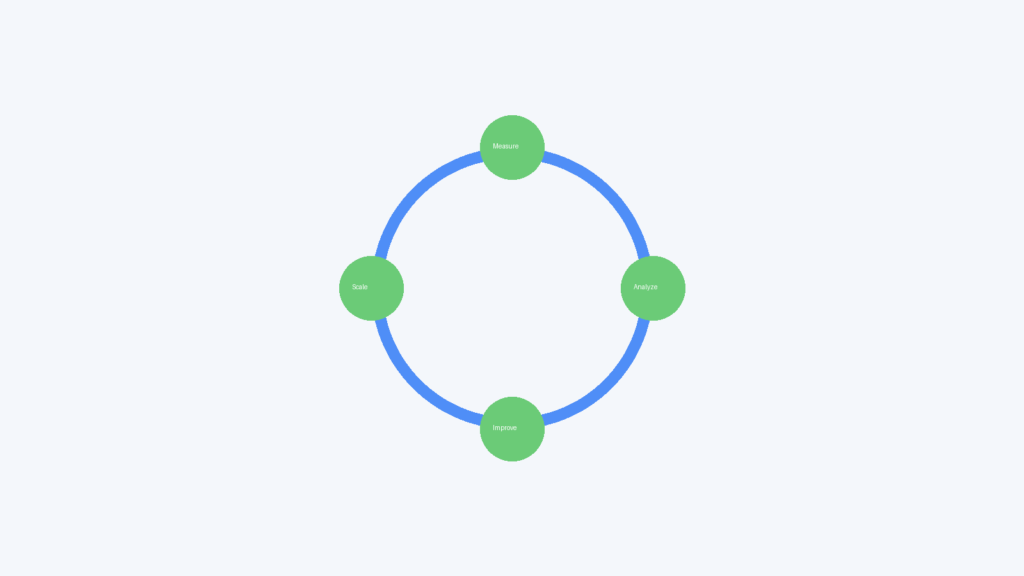
Transformation is not a one-time initiative but an adaptive capability. The third pillar ensures that strategy and systems evolve through measurement, experimentation, and iteration.
High-maturity organizations continuously refine content performance, customer journeys, automation workflows, and SEO architecture based on real data. Execution becomes a learning loop rather than a fixed plan.
This continuous optimization layer is what converts transformation from a project into a sustainable competitive advantage.

When these three pillars operate together, digital transformation shifts from tactical activity to organizational capability.
Strategy defines direction, connected systems enable scale, and continuous optimization sustains growth.
This structural alignment is what ultimately connects marketing, SEO, automation, and customer experience into a single transformation engine — the foundation of predictable digital growth.
How Brands Implement Transformation Step-by-Step

Digital transformation becomes achievable only when organizations translate strategy into structured action.
Leading brands do not transform through large one-time initiatives;
they follow phased implementation models that align leadership, systems, and execution. Successful transformation roadmaps typically move through assessment, alignment, integration, and optimization — ensuring that change is scalable and measurable rather than disruptive.
Step 1: Diagnose Digital Gaps
Transformation begins with understanding where fragmentation exists. Brands must evaluate how marketing, SEO, data, and technology currently operate — and where disconnects limit performance.
Common diagnostic areas include channel silos, inconsistent data sources, disconnected customer journeys, and manual workflows.
These gaps reveal why growth efforts often plateau despite investment.
Step 2: Align Strategy Across Functions
Once gaps are clear, organizations define shared digital objectives across marketing, technology, and leadership. This alignment ensures that SEO, content, automation, and analytics support unified business outcomes rather than isolated KPIs.
Strategic alignment transforms digital activity from campaigns into coordinated systems.
Teams move from channel ownership to ecosystem ownership.
Step 3: Integrate Technology & Data
The third phase connects platforms into a unified architecture.
CRM, analytics, content systems, marketing automation, and SEO infrastructure begin sharing data and workflows.
Integration enables consistent customer experiences, reliable reporting, and scalable execution. Brands shift from fragmented tools to connected digital ecosystems capable of supporting growth.
Step 4: Redesign Customer Journeys
Transformation becomes visible when customer journeys evolve. Marketing, SEO, and content move from campaign-based touchpoints to continuous lifecycle experiences guided by data and intent.
Brands design journeys that connect discovery, evaluation, conversion, and retention — ensuring that every interaction reinforces value and trust.
Step 5: Establish Continuous Optimization
The final phase embeds experimentation and measurement into daily execution.
Organizations track performance across channels, journeys, and systems, using insights to refine strategy continuously.
Transformation becomes sustainable. when optimization cycles replace static planning. Growth emerges from ongoing learning rather than periodic change initiatives.
Brands that follow structured transformation steps avoid the most common digital failure pattern:
investing in channels before aligning systems.
Implementation discipline ensures that strategy, technology, and execution mature together — enabling predictable marketing, SEO, and growth performance.
Continuous Optimization: The Engine of Sustainable Digital Growth
Digital transformation does not end after implementation.
The real competitive advantage emerges when brands continuously refine systems based on data, performance signals, and user behavior.
Markets evolve, algorithms change, and customer expectations shift — meaning static strategies quickly become obsolete.
Modern digital leaders treat transformation as a living system rather than a finished project. Through continuous testing, monitoring, and optimization, organizations identify friction points, improve workflows, and adapt strategies in real time.
This iterative approach allows marketing, SEO, and growth operations to stay aligned with actual performance rather than assumptions.
Research on digital experimentation shows that companies that embrace structured optimization cycles significantly outperform those relying on one-time strategic planning.
As highlighted in studies on data-driven experimentation and optimization culture, sustained growth comes from ongoing refinement rather than periodic redesign.
Ultimately, continuous optimization transforms digital strategy from a campaign mindset into a performance ecosystem — one that evolves alongside technology, audiences, and competitive dynamics.
Digital Transformation Architecture: How Systems Replace Isolated Strategies

Digital transformation architecture defines how marketing, SEO, content, data, and automation operate as a unified growth system rather than independent activities.
In many organizations, digital functions evolve separately — SEO teams optimize search visibility, content teams publish assets, and marketing teams run campaigns. While each activity may perform individually, the absence of architectural alignment prevents sustainable growth.
Transformation architecture solves this fragmentation by connecting strategy, technology, workflows, and measurement into a cohesive operating model.
Instead of managing channels, businesses manage systems.
At an architectural level, digital transformation integrates three essential layers:
- Strategic alignment between business goals and digital initiatives
- Operational integration across marketing, SEO, and content execution
- Continuous optimization through analytics and feedback loops
When these layers operate together, digital performance becomes predictable, scalable, and compounding.
Growth is no longer dependent on isolated tactics but on the strength of the underlying system.
This architectural shift is what enables brands to move from campaign-driven marketing toward sustainable digital growth infrastructure.
Building a Unified Marketing, SEO and Growth System
The most successful digital brands no longer treat marketing, SEO, and growth as separate functions. Instead, they operate as a unified system where visibility, content, and customer acquisition reinforce each other continuously.
In this model, SEO is not just traffic generation, marketing is not just promotion, and growth is not just scaling — all three become interconnected drivers of sustainable demand.
When these disciplines operate in silos, organizations experience the exact fragmentation that causes most digital strategies to fail:
content that ranks but does not convert, campaigns that attract but do not retain, and traffic that grows without compounding business impact.
A unified system eliminates these disconnects by aligning strategy, content architecture, search intent, and conversion pathways into one coherent framework.
This integration begins with shared strategic intent.
Marketing messaging, SEO targeting, and growth experimentation must originate from the same audience insights and business objectives. From there, content ecosystems replace isolated assets — meaning every article, landing page, and campaign contributes to a structured visibility network rather than standalone outputs.
Industry research on integrated growth systems consistently shows that companies aligning marketing and analytics capabilities outperform peers in both revenue growth and efficiency.
According to global studies on integrated marketing and growth strategy alignment, organizations that unify customer acquisition functions achieve stronger long-term performance than those optimizing channels independently.
Ultimately, a unified marketing-SEO-growth system transforms digital presence from activity into infrastructure.
Instead of chasing traffic or campaigns, brands build compounding visibility engines — systems where strategy drives content, content drives discovery, and discovery drives scalable growth.